Startup Forum Awards 2026
2 July 2026At this year’s Spring Forward in Guimarães (6 – 9 May), we held the fifth edition of Startup Forum composed of emerging dance presenters. Agate Bankava (Latvia), Shaquille George (The Netherlands) and Djam Neguin (Portugal) have been awarded €10K each to realise the curatorial projects they proposed.
A group of up to 10 presenters was selected to be guided through the festival by Aerowaves Partners, addressing current programming issues. After the festival, the participants devised curatorial projects involving Aerowaves 2026 artists.
The three projects selected for support are: ‘Seeds’ by Agate Bankava featuring Soléne Wachter and Bryana Fritz’s Logbook, ‘Liberation Through Music, Dance and Diasporic Exchange’ by Shaquille George featuring Fabío (Krayze) Januario’s Musseque and ‘Black Atlantic Dialogues’ by Djam Neguin featuring Johanna Malédon’s (titre provisoire).
Find out more about the Startup Forum group 2026
Seeds by Agate Bankava
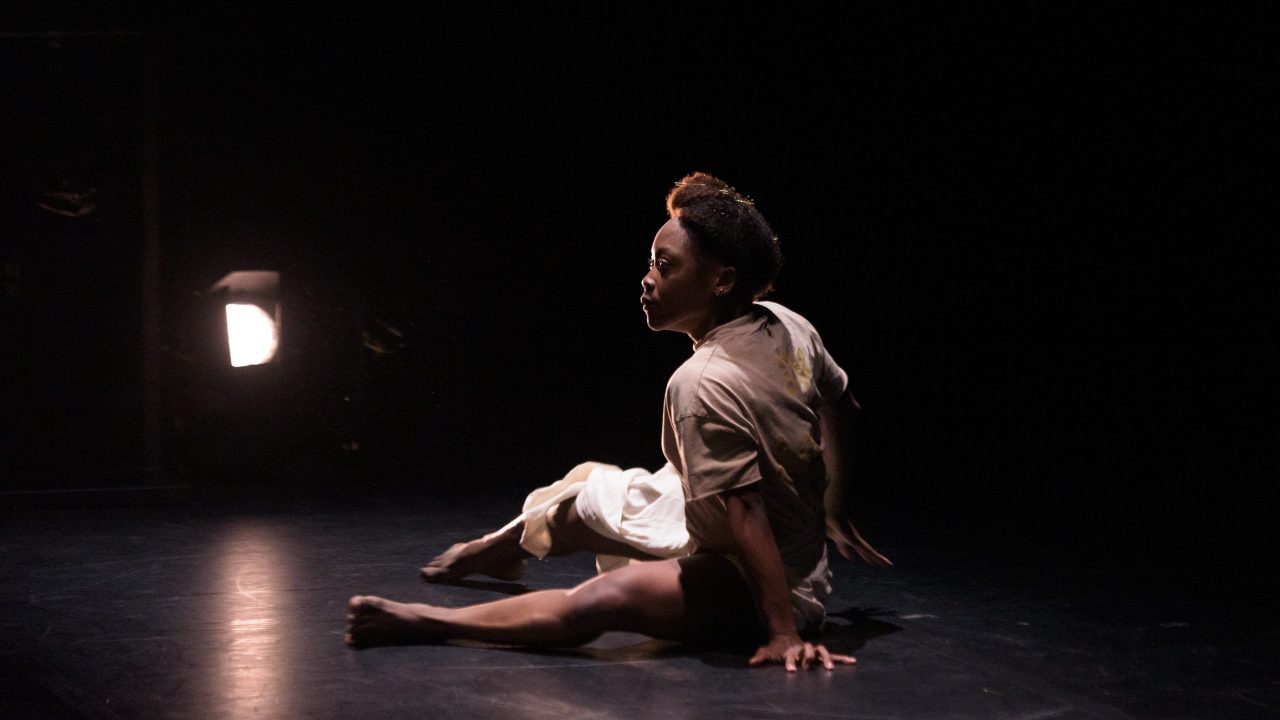
Soléne Wachter and Bryana Fritz’s Logbook in Latvia
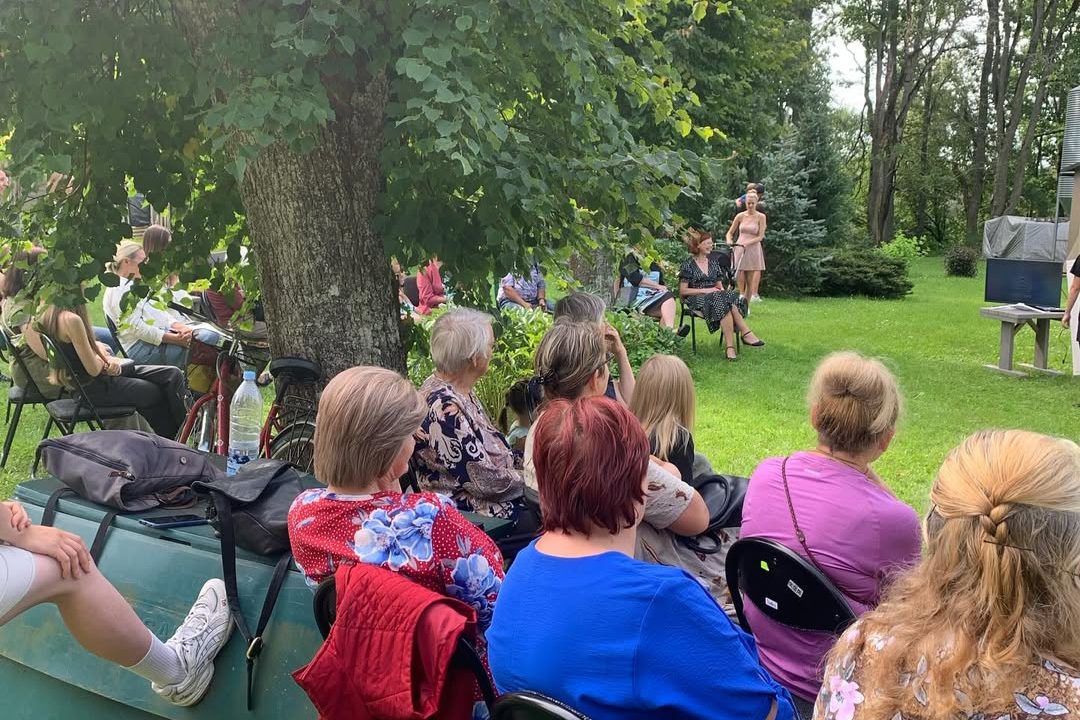
Inspired by Aerowaves artists Solène Wachter and Bryana Fritz’s Logbook, Agate Bankava’s Startup Forum project will take place in the Latvian town of Mazsalaca and surroundings and is planned for 30 April – 2 May 2027. Activities will include a performance of Logbook, two workshops, a lecture, and a moderated discussion.
Agate has organised Harvest Party, a micro-festival taking place in the autumn, since 2022. To support the development of her new springtime offshoot Seeds, Bankava is collaborating with Dance Day, the Latvian Choreographers Association’s festival in Riga.
Within the Latvian context and the Vidzeme region in particular – where Mazsalaca is located – access to contemporary art has become increasingly limited due to the decline of cultural institutions. At the same time, the region is home to many people who are eager to experience and discuss art in its diverse forms. Therefore, this extension of Harvest Party is particularly relevant both for increasing access to contemporary arts and for building new audiences.
Through an interdisciplinary approach, Seeds aims to spark different ways of thinking and experiencing contemporary dance by exploring two central themes: polyphony as a possible mode of communication within a society shaped by diverse beliefs and perspectives, and art as a trigger for social change and shifts in public consciousness.
Voice plays a central role in Logbook. The work incorporates both sung and spoken text, creates dialogue across historical periods and foregrounds the relationship between art and politics. These themes resonate strongly within Latvia and the Baltic region’s cultural landscape, where the culture of singing is part of the collective identity.
Contemporary dance as an art form is not as popular in Latvia as ballet or theatre, thus Bankava regards her project as both a challenge and an opportunity to attract new audiences to dance. Watcher and Fritz premiered Logbook at Festival d’Avignon, a prestigious festival many theatregoers in Latvia consider a symbol of quality, and the Aerowaves label brings a similar prestige for dance professionals and goers in Latvia.


Liberation Through Music, Dance and Diasporic Exchange by Shaquille George
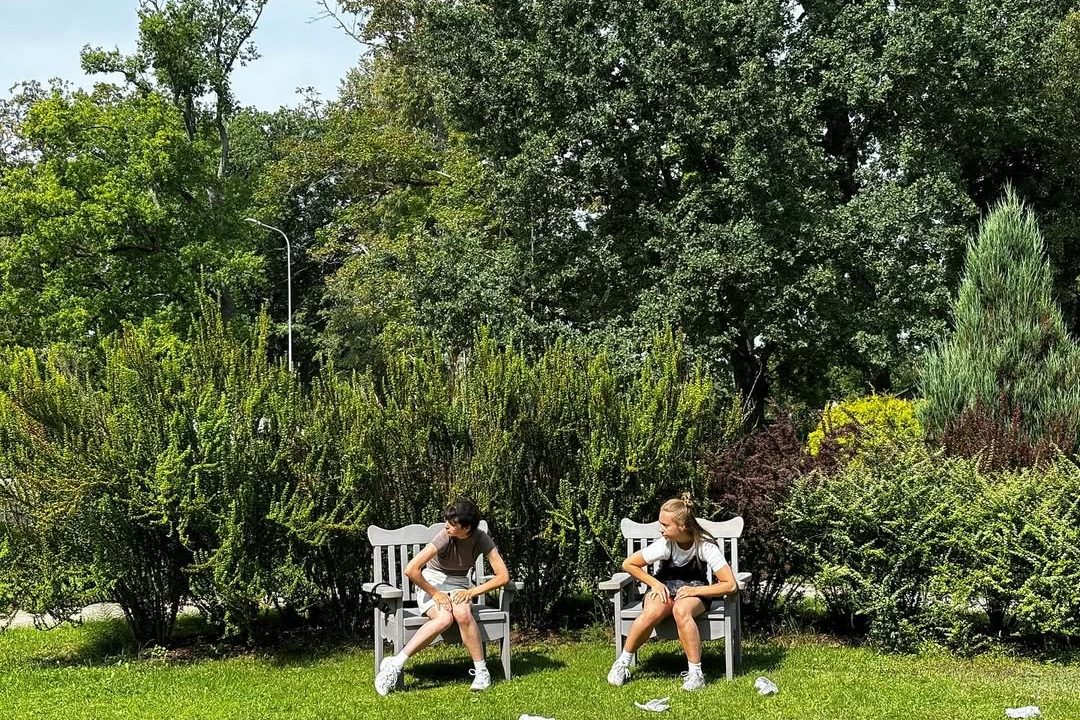
Fabío (Krayze) Januario’s Musseque in Curaçao
At the centre of Shaquille George’s proposal is Fabío (Krayze) Januario’s Musseque, selected because of the unique dialogue this work can inspire with the cultural context of Curaçao.
Using the dance form Kuduro, Fabío Januario creates a movement language that is deeply rooted in Angolan culture while simultaneously existing within a contemporary performance context. This combination makes the work accessible to audiences who may not regularly engage with contemporary dance, while still offering artistic depth and innovation.
What makes Musseque relevant in the context of Curaçao is the historical and cultural connection between Angola and the Caribbean. The use of Kuduro as a vehicle for expression creates a bridge to Curaçaoan traditions such as Tumba, Tambú and Seu.
George will invite Fabío Januario and his artistic team to Curaçao for a four-to-five-day residency focusing on the exploration and exchange of dance and music genres which emerged from communities that transformed hardship into cultural resilience.
As part of the exchange, Shaquille George will invite local choreographer Juandry Leocario (from Curaçao currently based in the Netherlands), whose work is deeply connected to Curaçaoan culture and ancestry, to perform her duet in a double bill with Musseque. The two pieces share thematic parallels despite emerging from different cultural contexts.
The residency will also include workshops for students, a post-performance discussion and a final gathering around music, dance and cultural exchange.
Although separated by the ocean, both societies have been shaped by colonial histories, resistance, and the preservation of cultural identity through music and dance.
In Curaçao, Musseque will become a meeting point between different branches of the African diaspora. Januario’s work has the potential to resonate strongly with audiences in Curaçao, where questions surrounding heritage, identity and cultural memory remain deeply relevant.
While Curaçao has a rich cultural identity and strong traditions in music and dance, opportunities to engage with contemporary dance practices from abroad remain limited. This project aims to create a bridge between local traditions and contemporary performance practices, expanding artistic possibilities for audiences and emerging artists alike.

Black Atlantic Dialogues by Djam Neguin
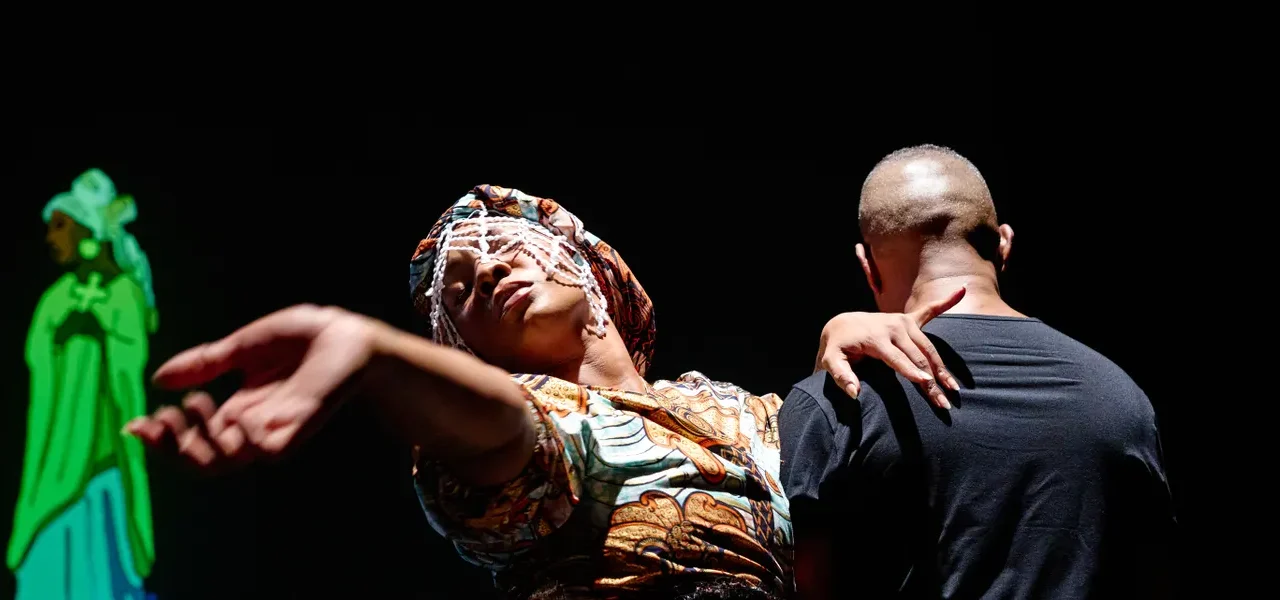
Johana Malédon’s (titre provisoire) in Cabo Verde and Lisbon
Djam Neguin, in collaboration with Festival Kontornu – International Festival of Dance and Performing Arts Praia, proposes the first presentation of Johana Malédon’s (titre provisoire) in Cabo Verde as part of the 2027 edition of the festival and its expanded programme between Lisbon and Santiago Island.
Black Atlantic Dialogues is conceived as an artistic exchange connecting territories linked through shared histories of migration, creolisation, colonialism and cultural transformation. Creating a dialogue between French Guiana, Cabo Verde and Portugal, Djam Neguin’s curatorial proposal brings together artists, audiences and cultural professionals through a programme of performances, workshops and public conversations.
The project will unfold in two phases. In March 2027, Johana Malédon will participate in a special programme in Lisbon (Portugal) curated by Festival Kontornu, comprising a conversation, a workshop and encounters with local professionals and students. In May 2027, within the framework of Festival Kontornu, Malédon and her team will present (titre provisoire) on Santiago Island (Cabo Verde), alongside a post-show talk, an open rehearsal, a creative laboratory, professional networking opportunities and encounters with students, educators and young cultural professionals.
Johana Malédon’s artistic practice resonates strongly with contemporary Cape Verdean realities. Her work explores how identities are constructed, negotiated and transformed, thus exposing the tensions between self-definition and external categorisation.
For Cabo Verdian audiences these questions are particularly relevant. Debates around African identity, migration, race, colonial memory and belonging remain central to contemporary social and cultural life. Rather than offering fixed answers, Malédon’s work creates a space where complexity, ambiguity and multiple perspectives coexist.
Cabo Verde offers a particularly fertile context for this exploration. This project therefore provides a rare opportunity for audiences to encounter an artistic work that addresses these issues through a contemporary choreographic language.
The project also aligns with Kontornu’s long-term commitment to strengthening connections between African, Afro-diasporic and international artists. By bringing Johana Malédon’s work into dialogue with local realities, Black Atlantic Dialogues seeks to position Cabo Verde not only as a host territory, but also as a place for artistic exchange, knowledge production and contemporary cultural debate.